The SciTech Club

Health

Sleep and health
Health

The Crucial Link Between Sleep and General Health

Understanding Sleep: The Basics Sleep is a vital, complex biological process that plays a crucial role in maintaining human health and well-being. It is during sleep that the body undergoes various restorative processes, allowing individuals to recover physically and mentally. It directly influences cognitive function, emotional regulation, and physical health, making its significance impossible to overstate. Sleep is categorized into two main types: 1. Rapid eye movement (REM) sleep 2. Non-REM sleep – N1, N2, and N3. Each stage serves a unique purpose in facilitating overall health.N1 – the initial transition from wakefulness to sleep, where individuals experience light sleep.N2 – In this stage heart rate slow down, and body temperature drops, which contributes to a state of relaxation.N3 – often referred to as deep sleep, is crucial for physical restoration, during which the body repairs tissues, builds bone and muscle, and bolsters the immune system.REM sleep, on the other hand, is when most dreaming occurs and is essential for cognitive functions such as memory linking and emotional processing. The recommended amount of sleep varies across different age groups.For infants, 14-17 hours of sleep are advised.Teenagers typically require about 8-10 hours.Adults generally need 7-9 hours for optimal functioning. Various factors can adversely impact sleep quality, including lifestyle choices such as excessive screen time, irregular sleep schedules, and high caffeine intake. Additionally, environmental factors such as noise, light, and room temperature, along with underlying health conditions, can also play a role in sleep disturbances. Understanding these components underlines the importance of sleep and how quality sleep improves overall health. The Impact of Sleep on Physical Health It serves as a fundamental pillar for maintaining physical health. Sleep plays a crucial role in affecting numerous physiological systems within the body. Research consistently shows that inadequate sleep link to various chronic conditions, including obesity, diabetes, and cardiovascular diseases. Studies have shown that individuals who routinely obtain less than the recommended seven to nine hours of sleep experience disrupted metabolic processes, leading to weight gain and an increased risk of developing diabetes. This adverse relationship underscores the role of sleep in weight management and metabolic health. The immune system is profoundly influenced by sleep quality. During sleep, the body undertakes critical maintenance functions, including the production of cytokines—proteins essential for immune response. A lack of quality sleep can impair the body’s ability to fend off infections, making individuals more susceptible to illness. Additionally, research has established a correlation between sleep deprivation and increased inflammation, contributing to various health issues that involve systemic inflammation, such as heart disease. Another significant area affected by sleep is cardiovascular health. Disrupted or insufficient sleep elevates blood pressure and increases heart rate, which raises the risk of heart-related conditions. Additionally, sleep cycles closely intertwine with hormonal regulation. Sleep quality inversely affects hormones like cortisol, which are involved in stress responses. Poor sleep can lead to elevated cortisol levels, which may further complicate health concerns, including hypertension and other cardiovascular issues. In summary, the relationship between sleep and physical health is complicate and difficult to find. Quality sleep supports various aspects of bodily functions, underscoring its vital role in maintaining overall health and mitigating the risk of chronic health conditions. Understanding the importance of sleep aids in promoting healthier lifestyles and improving long-term health outcomes. The Connection Between Sleep and Mental Health The relationship between sleep and mental health is both intricate and profound. A substantial body of research underscores the importance of sleep in maintaining psychological well-being. Evidence suggests that sleep disturbances, such as insomnia and sleep apnea, can significantly intensify mental health issues, including anxiety and depression. In fact individuals experiencing poor sleep quality are at elevated risk for developing these conditions. For instance, a study published in the Journal of Clinical Psychiatry found that individuals with insomnia were five times more likely to develop depression compared to those who slept well. Conversely, existing mental health problems can also trigger sleep-related issues, creating a challenging cycle. Anxiety disorders often cause sleep difficulties, which can worsen anxiety and complicate recovery from mental health challenges. Around 60% of individuals with depression also experience sleep issues, highlighting the bidirectional link between sleep and mental health. Given the significant interplay between quality sleep and overall mental well-being, it is crucial to prioritize sleep hygiene as a means of fostering psychological health. Practical tips for improving sleep quality include establishing a consistent sleep schedule, creating a conducive sleep environment, and minimizing exposure to screens before bedtime. Additionally, relaxation techniques such as meditation or deep-breathing exercises can be beneficial in preparing the mind for restful sleep, ultimately enhancing one’s ability to cope with stressors. In conclusion, acknowledging the importance of sleep in relation to mental health is essential for promoting overall well-being. By addressing sleep issues and implementing effective strategies to improve sleep quality, individuals can take significant steps toward better mental health, thus breaking the cycle of sleep disturbances and psychological challenges. Improving Sleep for Better Health Enhancing the quality of sleep is essential for improving overall health. A well-structured sleep routine not only allows for adequate rest but also contributes significantly to various bodily functions and psychological well-being. To optimize your sleep environment, consider factors such as light, noise, and temperature. Ensure your bedroom is dark, quiet, and maintained at a comfortable temperature. Incorporating blackout curtains and white noise machines can further help in creating a conducive atmosphere for sleep. In addition to your sleep environment, incorporating relaxation techniques before bed can significantly improve your sleep quality. Practicing mindfulness meditation, deep breathing exercises, or gentle yoga can be effective in preparing your mind and body for rest. Establishing a winding down routine, which may include reading or taking a warm bath, signals to your body that it is time to prepare for sleep. Maintaining a consistent sleep schedule is another crucial strategy in prioritizing the importance of sleep. Going to bed and waking up at the same time each day, even on weekends, helps regulate your body’s internal clock. This consistency

Daily Exercise
Health

Daily Exercises for a Stronger Immune System

The Link Between Daily Exercise and Immune Health Numerous scientific studies have established a strong connection between regular exercise and enhanced immune function, highlighting the importance of incorporating exercises for immunity in daily routines. Engaging in physical activity plays a vital role in sustaining the body’s Defence mechanisms against infections and diseases. Different forms of exercise, including aerobic workouts, strength training, and flexibility exercises, contribute uniquely to immune health. Aerobic exercises Walking, jogging, and cycling enhance circulation, allowing immune cells to travel more efficiently throughout the body. Improved circulation helps the body respond faster to pathogens, strengthening the immune response. Daily exercise also stimulates antibody production and boosts lymphatic circulation, further supporting immune function. Strength training It also plays a pivotal role in immune health. By promoting muscle growth and strength, these exercises aid in maintaining a healthy body weight and reducing obesity-related inflammation, a known factor that can impair immune function. Flexibility exercises Such as yoga and stretching, incorporate a mindful approach which can relieve stress. Chronic stress is recognized as a contributing factor to immune suppression, making the combination of physical activity and stress management crucial for optimal health. Moreover, regular exercise has been linked to improved sleep quality, which is essential for a well-functioning immune system. Sleep is crucial for the body to repair and regenerate, influencing various physiological processes that enhance immune response. Consequently, integrating a balanced exercise administration not only reduces inflammation and enhances physiological functions but it ultimately fosters a stronger immune system. Engaging in a variety of exercises is key to gathering all the benefits associated with better immune health. Understanding the Immune System Daily exercises play an important role in maintaining a healthy immune system. The immune system serves as the body’s Defence mechanism against infections and diseases, comprising a complex network of cells, tissues, and organs. Its primary components include – Each element plays a vital role in identifying and neutralizing pathogens, ranging from bacteria to viruses and fungi, thereby preventing illness. When functioning optimally, the immune system works day and night to recognize and eliminate harmful invaders. Maintaining a strong immune system is essential for overall health, as a strong immune response helps to minimize the risk of infections and chronic diseases. However, several factors can influence immune function. Poor dietary habits, chronic stress, inadequate sleep, and lack of physical activity can all weaken the immune system, making the body more susceptible to infections and illnesses. Conversely, incorporating daily exercises to boost the immune system naturally is a proactive strategy to enhance immune response. Regular physical activity can promote better circulation, reduce stress levels, and improve sleep quality, all of which contribute to a healthier immune system. Understanding how critical the immune system is to our health underscores the importance of nurturing it through various healthy lifestyle choices, including exercise. Daily Exercises to Boost Your Immune System Incorporating daily exercises into your routine is an effective way to enhance your immune system naturally. Engaging in a balanced combination of aerobic exercises, strength training, and flexibility workouts can not only improve overall physical fitness but also help in fortifying your body’s Defence mechanisms. Let’s explore some practical exercises designed to boost immunity. Aerobic Exercises: Activities such as brisk walking, jogging, or cycling are excellent for cardiovascular health. At least 30 minutes of moderate aerobic exercise most days boosts circulation and supports optimal immune system function. Beginners can start with shorter durations and gradually increase intensity. Aim for sessions that elevate your heart rate without causing distress. Strength Training: Bodyweight exercises like push-ups, squats, and lunges are incredibly beneficial. Additionally, resistance bands can be used to add variety and intensity. Engaging in strength training two to three times per week can build muscle, enhance metabolic rate, and support immune function. Focus on mastering proper form to prevent injury and customize the number of repetitions based on your fitness level. Flexibility Exercises: Incorporating yoga or basic stretching routines can significantly contribute to overall wellness. Such exercises improve flexibility, reduce stress, and promote relaxation—all of which are important for a healthy immune response. Yoga styles like Hatha or restorative yoga can be practiced daily, even for short periods, to reap benefits. Incorporating these exercises into your daily routine may enhance your immune system naturally. Consistency is key; therefore, creating a balanced exercise schedule can help make these activities a sustainable part of your lifestyle, ultimately leading to improved health and well-being. Creating a Consistent Daily Exercise Routine Establishing a reliable exercise routine is integral to growing the benefits of physical activity, especially when it comes to enhancing your immune system. The first step in creating this routine is to set clear and achievable fitness goals. It is vital to identify what you hope to accomplish with your daily exercises to boost the immune system naturally. This could range from improving cardiovascular health to increasing your overall stamina or strength. By setting specific, measurable, attainable, relevant, and time-bound (SMART) goals, you increase your likelihood of adherence. Incorporating exercises into a busy schedule requires thoughtful planning. It may be beneficial to schedule your workouts just like any other important appointment. Start with short sessions, like 10-15 minutes of daily exercise, and gradually build up as your body adapts. Incorporate movement into your day—take the stairs instead of the elevator or choose walking meetings. These small modifications can significantly contribute to building a solid foundation of daily exercises to boost the immune system naturally. Staying motivated is crucial for maintaining consistency. Engaging with a workout buddy, joining a class, or participating in community sports can provide support and accountability. Tracking progress with a journal or fitness app motivates you by visualizing improvements over time. Recognizing and celebrating small achievements will help reinforce your commitment. It’s important to acknowledge common barriers, such as lack of time or fatigue, and strategize ways to counteract them. Adapting your exercise schedule or changing your workout types can help keep your regime fresh and stimulating. Ultimately, choosing exercises for immunity and prioritizing them as a

Gut Health
Health

Gut Health and Its Impact on Well-Being

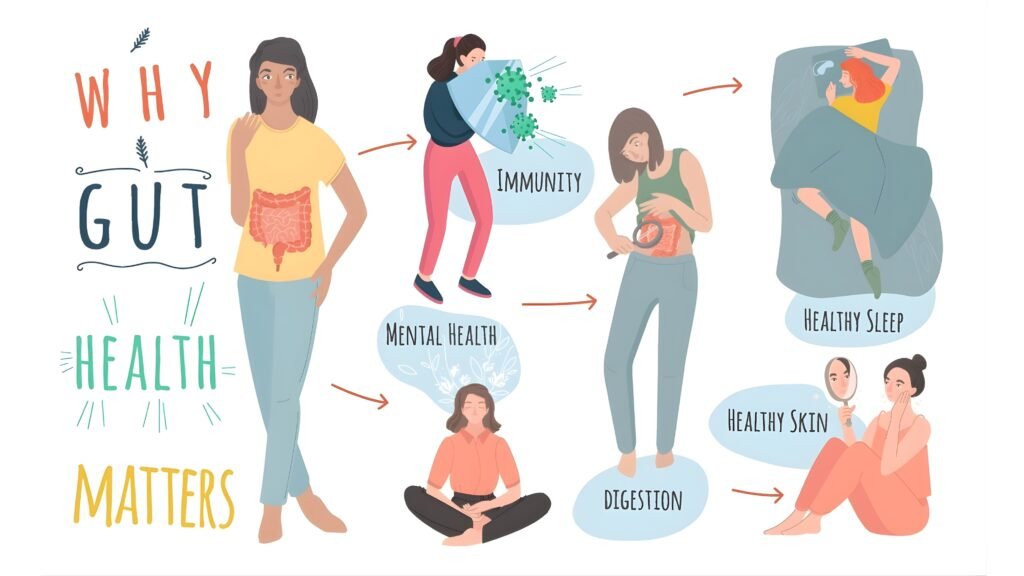
What is Gut Health? Gut health and its impact on well-being plays a crucial role in overall well-being and is essential for maintaining a healthy daily life. Gut health refers to the state of the gastrointestinal tract, especially its microbiome, which is a complex ecosystem comprising trillions of microorganisms, including bacteria, viruses, fungi, and other microbes. A balanced gut microbiome plays a crucial role in enhancing one’s overall digestive health and maintaining well-being. These microorganisms contribute to several essential functions, such as aiding digestion, regulating metabolism, and supporting the immune system. The gut microbiome is made up of both beneficial and harmful microorganisms, and their balance is vital. Beneficial bacteria, such as Lactobacillus and Bifidobacterium, promote the breakdown of food, allowing for better nutrient absorption. They also produce short-chain fatty acids and other metabolites that can improve the health of the gastrointestinal lining and lower inflammation. Conversely, an imbalance, often referred to as dysbiosis, can lead to various gastrointestinal issues, including bloating, constipation, and even more severe conditions like irritable bowel syndrome (IBS). A well-balanced gut microbiome can influence mood, sleep patterns, and even weight regulation. Research indicates that the gastrointestinal-brain axis, the bidirectional communication between the gut and the brain, plays a significant role in mental health, demonstrating that improving gut health can also impact emotional well-being. To achieve optimal gut health and its impact, individuals should focus on a varied diet rich in whole foods, fiber, and fermented products, which can foster the growth of beneficial microorganisms. Regular physical activity and stress management techniques are also critical in supporting a healthy digestive environment. The Link Between Gut Health and Physical Health The relationship between gut health and physical health is fundamentally intertwined, influencing various aspects of human well-being. A healthy gut plays a crucial role in efficient digestion, allowing for the effective breakdown of food and optimal nutrient absorption. When individuals’ gut health is compromised, they may experience common gastrointestinal issues, including bloating, constipation, and food intolerances. These conditions can significantly diminish Quality of life and may lead to more serious health concerns if not addressed. Research indicates that problems in gut health can cause inflammation, which affects the body’s immune system. A balanced gut microbiome contributes to robust immune function, helping to fend off illnesses. However, an imbalance in gastrointestinal bacteria can lead to increased permeability of the intestinal wall, allowing toxins to enter the bloodstream and triggering immune responses that may culminate in chronic health conditions. This underscores the significance of maintaining gut health for better digestion and overall health. Furthermore, numerous studies have established a connection between gastrointestinal health and chronic diseases such as obesity, diabetes, and cardiovascular diseases. The gut microbiota has been implicated in metabolic processes, influencing how the body utilizes calories and stores fat. Consequently, individuals seeking to improve gut health may also see benefits in managing their weight and reducing the risk of these diseases. In essence, understanding the vital link between gastrointestinal health and physical health is essential for adopting lifestyle choices that promote well-being. This includes a balanced diet rich in fiber, probiotics, and prebiotics, which can support a healthy microbiome. By prioritizing gut health, individuals may experience improved digestion, enhanced nutrient uptake, and a stronger immune response, contributing to better overall physical health. Mental Health and the Gastrointestinal Tract -Brain Connection The relationship between gastrointestinal health and mental well-being has garnered significant attention in recent years, supported by a growing body of research highlighting the gastrointestinal tract-brain connection. This complex interplay demonstrates that the state of the gastrointestinal microbiota can have profound implications for mental health, influencing mood disorders, anxiety levels, and stress responses. Research indicates that gastrointestinal health is closely linked to the production of neurotransmitters, which regulate mood and emotional responses. For instance, the gastrointestinal tract synthesizes approximately 90% of serotonin, a neurotransmitter known for its role in mood stabilization. Additionally, the gastrointestinal microbiota can influence the levels of other important neurotransmitters, such as gamma-aminobutyric acid (GABA), which helps reduce anxiety. Therefore, people increasingly recognize maintaining a healthy gut as a key factor in not just physical health, but also emotional and psychological well-being. Moreover, emerging studies suggest that individuals with mood disorders often exhibit imbalances in their gut microbiota. This correlation raises questions about how to improve gastrointestinal health for better digestion and overall mental health. Practical implications for treatment may include dietary changes that promote a healthy microbiome, such as incorporating probiotics and prebiotics into one’s diet, which can potentially alleviate symptoms associated with anxiety and depression. As we explore the gut-brain connection, it’s clear that addressing gut health in mental health treatment yields beneficial results. Nurturing our gut microbiota can improve digestion and positively impact our mental and emotional well-being. Strategies for Improving Gut Health Improving gut health is essential for overall well-being and contributes significantly to better digestion. You can implement several strategies to enhance gut health effectively- 1. Diet rich in probiotics – Probiotics, which are beneficial bacteria found in yogurt, kefir, and fermented foods, can greatly influence the gut microbiome. Incorporating these foods into your daily meals can promote a balanced gut flora, leading to improved digestion and nutrient absorption. 2. Diet rich in prebiotics – It is equally important to include prebiotics in the diet. Prebiotics are non-digestible fibers that serve as food for the beneficial bacteria in the gut. Foods such as garlic, onions, bananas, and asparagus are excellent sources of prebiotics. By enhancing the growth of beneficial bacteria, prebiotics support gastrointestinal health and, in turn, improve digestion and overall health. 3. Minimizing the intake of processed foods – These often contain additives and preservatives that can negatively impact gastrointestinal health. Choosing whole, unprocessed foods like fruits, vegetables, whole grains, and lean proteins supports gut health and provides essential nutrients. 4. Maintaining adequate hydration – Water aids in digestion by facilitating the breakdown of food and the absorption of nutrients in the intestines. Ensuring that you drink enough water throughout the day can significantly impact gastrointestinal health

Stress management
Health

The Science Behind Stress Management: Understanding and Overcoming Stress

Understanding Stress: What Happens in Our Bodies The science behind Stress management is a complex response. Stress is triggered by a variety of stimuli, which can be emotional, social, or environmental nature. When an individual perceives a threat, the body initiates a reaction known as the stress response or Stress management. This physiological phenomenon involves the activation of the hypothalamic-pituitary-adrenal (HPA) axis. The hypothalamus releases CRH, stimulating the pituitary to secrete ACTH, which prompts adrenal glands to release cortisol and adrenaline. These hormones play critical roles in preparing the body for a ‘fight or flight’ response, increasing heart rate, blood pressure, and energy supplies. Stress can be classified into two main categories: acute and chronic. Acute stress is typically short-term, resulting from specific challenges or threats, such as an impending deadline or an unexpected event. While acute stress can be beneficial in energizing individuals and sharpening focus, chronic stress arises from prolonged exposure to stressors. This can stem from ongoing work pressure, relationship difficulties, or financial troubles. Chronic stress poses significant risks to overall health, potentially leading to anxiety, depression, cardiovascular diseases, and various other physical conditions. Moreover, the psychological effects of stress cannot be understated. Stress impacts mental health, influencing mood, cognition, and behavior. Individuals may experience irritability, difficulty concentrating, and heightened feelings of anxiety or depression. Understanding the biological and psychological underpinnings of stress is crucial for implementing effective stress management techniques for busy individuals. By recognizing the triggers and symptoms of stress, individuals can take proactive steps toward mitigating its effects and improving overall well-being. The Impact of Stress: Short-term vs Long-term Effects Stress, as a response to challenges or demands, can manifest in both short-term and long-term effects on an individual’s health and well-being. Understanding stress impacts is crucial for effective management, especially for busy individuals who may overlook its significance. In the short term, stress provokes immediate physiological reactions, including an increased heart rate, heightened alertness, and heightened feelings of anxiety. The body prepares for a fight-or-flight situation, allowing individuals to react swiftly to perceived threats. However, when experienced regularly due to ongoing pressures at work or personal lives, these immediate effects can become harmful. The long-term impact of sustained stress is much more concerning, as it can lead to serious health complications. Chronic stress has been linked to a variety of conditions, including hypertension, heart disease, and diabetes. The persistent activation of the body’s stress response may result in inflammation and alterations in how the body regulates critical hormones, potentially leading to metabolic disorders. Furthermore, mental health issues such as depression and anxiety disorders often arise as a consequence of long-term stress exposure. Research has shown that individuals working in high-pressure environments are more susceptible to developing these conditions, which can substantially diminish their quality of life. Real-life examples illustrate the severity of prolonged stress. For instance, a case study involving corporate employees revealed that those experiencing high stress levels regularly reported not only physical ailments but also significant mental health challenges impacting their relationships and work performance. This outcome underscores the importance of recognizing stress, implementing effective stress management techniques, and prioritizing mental health to prevent the escalation of these issues. Addressing both the short-term and long-term effects of stress is essential for mitigating its impact on overall health and well-being. Effective Stress Management Techniques and Strategies Among the most effective stress management techniques for busy individuals, mindfulness and meditation stand out. Mindfulness entails maintaining a heightened awareness of the present moment, enabling individuals to detach from stressors and negative thoughts. Regular practice of meditation has been shown to decrease cortisol levels, the hormone often linked to stress, leading to improved mental clarity and emotional regulation. Physical activity is another crucial component of comprehensive stress management. Engaging in regular exercise has been associated with a multitude of benefits, including the release of endorphins, often referred to as “feel-good” hormones. This natural response not only alleviates feelings of tension but also promotes a positive mood, enhancing resilience against stress. Time management strategies are vital for busy individuals seeking to reduce stress. By organizing tasks and setting realistic priorities, one can mitigate overwhelming feelings associated with a chaotic schedule. Role of social support systems, Connecting with friends, family, or support groups offers a valuable outlet for sharing concerns and exchanging advice. Such interactions can reduce feelings of isolation and provide emotional relief. Therapy can be pivotal in developing personalized stress management techniques. Cognitive-behavioral therapy, for instance, equips individuals with the skills to challenge negative thought patterns, enhancing overall coping mechanisms. Implementing these stress management techniques can create a comprehensive approach to dealing with stress, fostering both immediate relief and long-term resilience in the face of life’s challenges. With the right tools and support, individuals can navigate their busy lives with greater ease and a sense of control over their mental health. The Role of Lifestyle Choices in Stress Management An individual’s lifestyle choices profoundly influence effective stress management. Factors like nutrition, exercise, sleep, and substance use play critical roles in how they perceive and manage stress. Nutrition is a cornerstone of overall well-being and significantly affects stress levels. A balanced diet rich in fruits, vegetables, whole grains, and lean proteins can enhance mood and energy levels, improving resilience against stress. Conversely, excessive consumption of processed foods and sugars may lead to mood swings and increased anxiety. For busy individuals, integrating stress management techniques into meal planning, such as preparing healthy snacks or meal prepping during the weekend, can yield positive outcomes. Sleep plays a pivotal role in stress regulation. Insufficient or poor-quality sleep directly correlates with heightened stress levels and decreased cognitive function. Prioritizing sleep hygiene, like a regular schedule and limiting screen time, can enhance recovery from daily stressors. Regular physical activity is another crucial element in stress management. Exercise releases endorphins, which can mitigate stress responses and promote a sense of well-being. Even short, brisk walks or brief periods of physical activity can be beneficial for busy individuals struggling with time constraints. Incorporating

Select an available coupon below
Scroll to Top