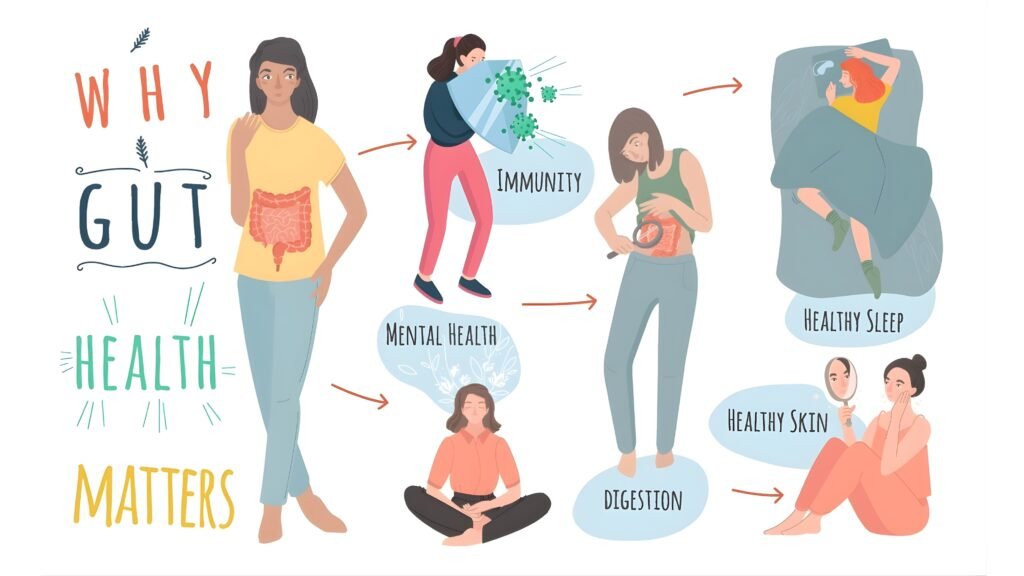

What is Gut Health?
Gut health and its impact on well-being plays a crucial role in overall well-being and is essential for maintaining a healthy daily life. Gut health refers to the state of the gastrointestinal tract, especially its microbiome, which is a complex ecosystem comprising trillions of microorganisms, including bacteria, viruses, fungi, and other microbes.
A balanced gut microbiome plays a crucial role in enhancing one’s overall digestive health and maintaining well-being. These microorganisms contribute to several essential functions, such as aiding digestion, regulating metabolism, and supporting the immune system.
The gut microbiome is made up of both beneficial and harmful microorganisms, and their balance is vital. Beneficial bacteria, such as Lactobacillus and Bifidobacterium, promote the breakdown of food, allowing for better nutrient absorption. They also produce short-chain fatty acids and other metabolites that can improve the health of the gastrointestinal lining and lower inflammation.
Conversely, an imbalance, often referred to as dysbiosis, can lead to various gastrointestinal issues, including bloating, constipation, and even more severe conditions like irritable bowel syndrome (IBS).
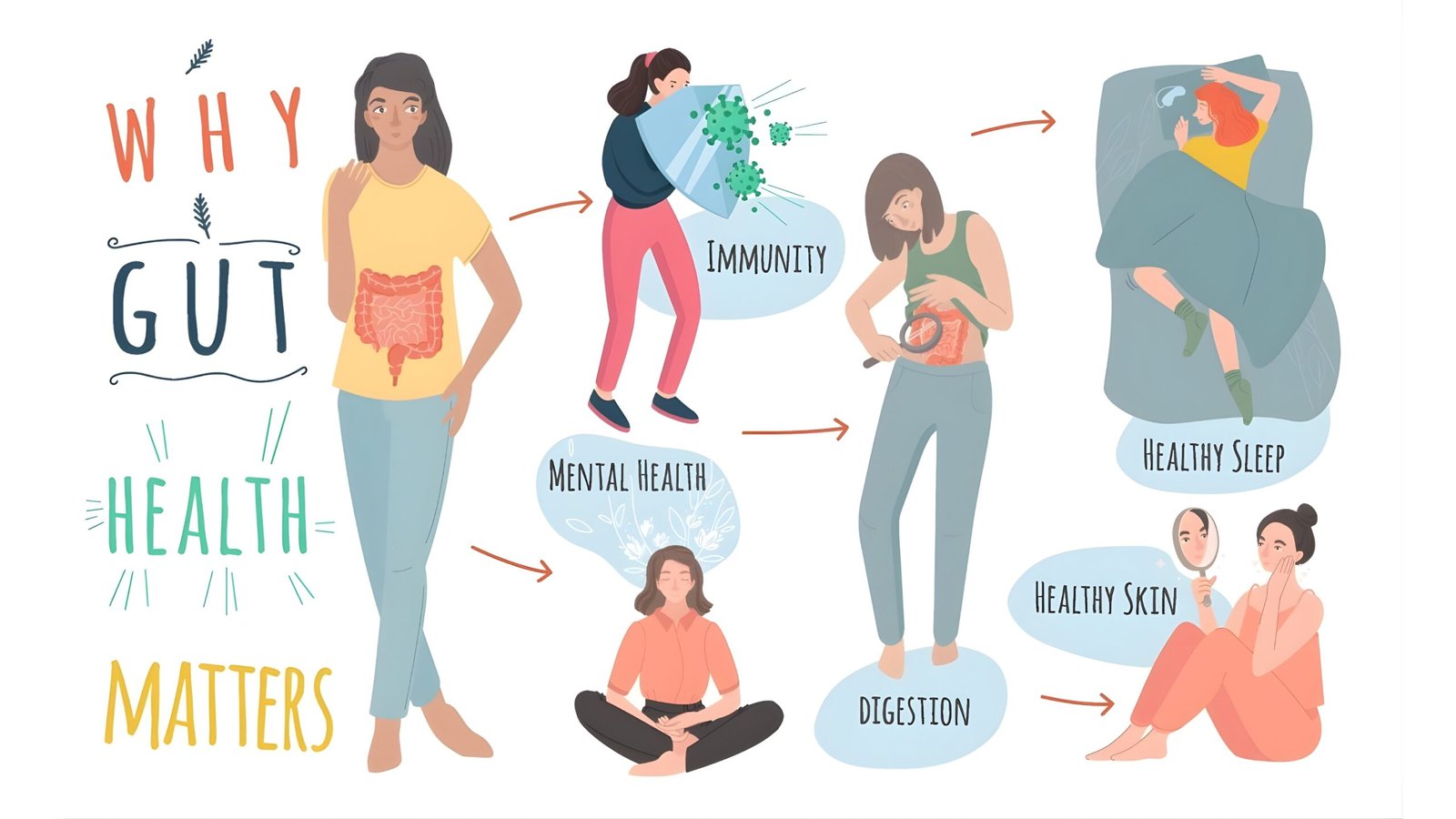
A well-balanced gut microbiome can influence mood, sleep patterns, and even weight regulation. Research indicates that the gastrointestinal-brain axis, the bidirectional communication between the gut and the brain, plays a significant role in mental health, demonstrating that improving gut health can also impact emotional well-being.
To achieve optimal gut health and its impact, individuals should focus on a varied diet rich in whole foods, fiber, and fermented products, which can foster the growth of beneficial microorganisms. Regular physical activity and stress management techniques are also critical in supporting a healthy digestive environment.
The Link Between Gut Health and Physical Health
The relationship between gut health and physical health is fundamentally intertwined, influencing various aspects of human well-being. A healthy gut plays a crucial role in efficient digestion, allowing for the effective breakdown of food and optimal nutrient absorption.
When individuals’ gut health is compromised, they may experience common gastrointestinal issues, including bloating, constipation, and food intolerances. These conditions can significantly diminish Quality of life and may lead to more serious health concerns if not addressed.
Research indicates that problems in gut health can cause inflammation, which affects the body’s immune system. A balanced gut microbiome contributes to robust immune function, helping to fend off illnesses.
However, an imbalance in gastrointestinal bacteria can lead to increased permeability of the intestinal wall, allowing toxins to enter the bloodstream and triggering immune responses that may culminate in chronic health conditions. This underscores the significance of maintaining gut health for better digestion and overall health.
Furthermore, numerous studies have established a connection between gastrointestinal health and chronic diseases such as obesity, diabetes, and cardiovascular diseases. The gut microbiota has been implicated in metabolic processes, influencing how the body utilizes calories and stores fat. Consequently, individuals seeking to improve gut health may also see benefits in managing their weight and reducing the risk of these diseases.
In essence, understanding the vital link between gastrointestinal health and physical health is essential for adopting lifestyle choices that promote well-being. This includes a balanced diet rich in fiber, probiotics, and prebiotics, which can support a healthy microbiome. By prioritizing gut health, individuals may experience improved digestion, enhanced nutrient uptake, and a stronger immune response, contributing to better overall physical health.
Mental Health and the Gastrointestinal Tract -Brain Connection
The relationship between gastrointestinal health and mental well-being has garnered significant attention in recent years, supported by a growing body of research highlighting the gastrointestinal tract-brain connection. This complex interplay demonstrates that the state of the gastrointestinal microbiota can have profound implications for mental health, influencing mood disorders, anxiety levels, and stress responses.
Research indicates that gastrointestinal health is closely linked to the production of neurotransmitters, which regulate mood and emotional responses. For instance, the gastrointestinal tract synthesizes approximately 90% of serotonin, a neurotransmitter known for its role in mood stabilization.
Additionally, the gastrointestinal microbiota can influence the levels of other important neurotransmitters, such as gamma-aminobutyric acid (GABA), which helps reduce anxiety. Therefore, people increasingly recognize maintaining a healthy gut as a key factor in not just physical health, but also emotional and psychological well-being.
Moreover, emerging studies suggest that individuals with mood disorders often exhibit imbalances in their gut microbiota. This correlation raises questions about how to improve gastrointestinal health for better digestion and overall mental health.
Practical implications for treatment may include dietary changes that promote a healthy microbiome, such as incorporating probiotics and prebiotics into one’s diet, which can potentially alleviate symptoms associated with anxiety and depression.
As we explore the gut-brain connection, it’s clear that addressing gut health in mental health treatment yields beneficial results. Nurturing our gut microbiota can improve digestion and positively impact our mental and emotional well-being.
Strategies for Improving Gut Health
Improving gut health is essential for overall well-being and contributes significantly to better digestion. You can implement several strategies to enhance gut health effectively-
1. Diet rich in probiotics –
Probiotics, which are beneficial bacteria found in yogurt, kefir, and fermented foods, can greatly influence the gut microbiome. Incorporating these foods into your daily meals can promote a balanced gut flora, leading to improved digestion and nutrient absorption.
2. Diet rich in prebiotics –
It is equally important to include prebiotics in the diet. Prebiotics are non-digestible fibers that serve as food for the beneficial bacteria in the gut. Foods such as garlic, onions, bananas, and asparagus are excellent sources of prebiotics. By enhancing the growth of beneficial bacteria, prebiotics support gastrointestinal health and, in turn, improve digestion and overall health.
3. Minimizing the intake of processed foods –
These often contain additives and preservatives that can negatively impact gastrointestinal health. Choosing whole, unprocessed foods like fruits, vegetables, whole grains, and lean proteins supports gut health and provides essential nutrients.
4. Maintaining adequate hydration –
Water aids in digestion by facilitating the breakdown of food and the absorption of nutrients in the intestines. Ensuring that you drink enough water throughout the day can significantly impact gastrointestinal health and help prevent digestive issues.
5. Lifestyle changes –
Regular exercise promotes the fermentation of dietary fiber, showing positive effects on gut health. Managing stress with mindfulness, yoga, or deep breathing can improve gut health, high stress levels may hinder digestion. Lastly, prioritizing adequate sleep helps maintain a healthy gastrointestinal microbiome, further supporting overall well-being.